

Close Menu
Ẩm Thực Hiện Đại
    Facebook Instagram YouTube Threads
    Facebook Instagram YouTube Threads
    Ẩm Thực Hiện Đại
    • TRANG CHỦ
    • VIỆT NAM
      1. Đánh giá nhà hàng
      2. Danh sách nổi bật
      3. Phỏng vấn
      4. View All

      Etēsia • kitchen counter + wines: Đánh giá độc lập

      September 24, 2026

      Fairmont Pool Terrace & Bar – Điểm hẹn Rooftop sang trọng mới nhất tại Hà Nội

      September 15, 2026

      Ushino Kura – trải nghiệm bò Nhật A5 thượng hạng

      September 9, 2026

      Samwonjung – Ẩm thực Hàn Quốc cao cấp tại Hà Nội

      September 3, 2026

      Ăn gì ở Ninh Bình: Những nhà hàng địa phương đáng thử

      September 26, 2025

      Top quán bar ưa thích tại Đà Nẵng (chia theo hạng mục)

      July 23, 2025

      Những quán cà phê đặc sản nổi bật tại Đà Nẵng

      April 12, 2025

      Những nhà hàng kiểu Âu đáng thử tại Đà Nẵng

      April 7, 2025

      Nghệ thuật kết hợp rượu vang và món Việt: Lời khuyên từ một chuyên gia

      November 6, 2024

      Trò chuyện cùng LABTORY – Nhà bia thủ công đậm chất Việt

      September 19, 2024

      Trò chuyện cùng Maison Béjo về nghề phô mai thủ công tại Việt Nam

      April 21, 2023

      Etēsia • kitchen counter + wines: Đánh giá độc lập

      September 24, 2026

      Fairmont Pool Terrace & Bar – Điểm hẹn Rooftop sang trọng mới nhất tại Hà Nội

      September 15, 2026

      Ushino Kura – trải nghiệm bò Nhật A5 thượng hạng

      September 9, 2026

      Samwonjung – Ẩm thực Hàn Quốc cao cấp tại Hà Nội

      September 3, 2026
    • THẾ GIỚI
      1. Châu Á
      2. Châu Âu
      3. View All

      Du lịch CHIANG MAI 2026: Đi đâu, Xem gì

      August 9, 2026

      Ăn gì ở CHIANG MAI: Các đặc sản địa phương phải thử

      July 28, 2026

      Những quán bar nổi tiếng nhất CHIANG MAI

      May 27, 2026

      Đi đâu, Xem gì tại BANGKOK 2026

      May 19, 2026

      Ris de Veau – Đặc sản ẩm thực Pháp truyền thống & nơi đáng thử

      August 30, 2026

      Trải nghiệm ẩm thực Michelin tại Thung Lũng LOIRE – Pháp

      August 21, 2026

      Ăn gì ở PARIS – Tổng hợp nhà hàng chúng tôi ưa thích

      December 25, 2025

      PARIS có an toàn không? Tất cả những gì cần biết

      December 7, 2025

      Ris de Veau – Đặc sản ẩm thực Pháp truyền thống & nơi đáng thử

      August 30, 2026

      Trải nghiệm ẩm thực Michelin tại Thung Lũng LOIRE – Pháp

      August 21, 2026

      Du lịch CHIANG MAI 2026: Đi đâu, Xem gì

      August 9, 2026

      Ăn gì ở CHIANG MAI: Các đặc sản địa phương phải thử

      July 28, 2026
    • KIẾN THỨC

      Kĩ năng kiểm tra đánh giá GOOGLE quan trọng cần biết

      May 30, 2026

      Vang tự nhiên thực chất là gì, có ngon bằng vang truyền thống?

      May 8, 2025

      Nghệ thuật kết hợp rượu vang và món Việt: Lời khuyên từ một chuyên gia

      November 6, 2024

      Bắt đầu tìm hiểu rượu vang từ đâu: Hướng dẫn của một Sommelier

      October 30, 2024

      Vì sao vang BORDEAUX nổi tiếng đến vậy?

      August 31, 2024
    • BLOG – GÓC NHÌN

      PARIS có an toàn không? Tất cả những gì cần biết

      December 7, 2025

      Sự thật thú vị về hai “Nàng tiên cá” nổi tiếng của COPENHAGEN

      September 21, 2025

      Tản mạn Hội An – Lịch trình một ngày hoàn hảo

      August 14, 2025

      PARIS: Những lầm tưởng, định kiến và quan ngại phổ biến

      November 23, 2024

      Michelin Việt Nam 2024 – Những gì được và chưa được?

      July 24, 2024
    • LIÊN HỆ
      • Về Ẩm Thực Hiện Đại
      • Mẫu thư liên hệ
    • Languages
    Ẩm Thực Hiện Đại
    Home»KNOWLEDGE»A History of Beer in Vietnam – Part 4 : Brewing in a Socialist Economy
    KNOWLEDGE

    A History of Beer in Vietnam – Part 4 : Brewing in a Socialist Economy

    Loïc MullerBy Loïc MullerJanuary 3, 2025Updated:January 16, 20258 Mins Read
    Share
    Facebook Twitter LinkedIn Pinterest Email

    The expulsion of the French, who introduced beer to Vietnam, and the subsequent victory over the Americans brought profound changes to the country’s economy and the daily lives of its people.

    These economic shifts were not solely a result of war and its aftermath but were also driven by a communist doctrine advocating for the nationalization of the means of production.

    For those less familiar with Vietnamese history, the transition from a “capitalist” to a “socialist” economy unfolded in two key phases:

    • In the North: Following the 1954 Geneva Accord, the Democratic Republic of Vietnam (North Vietnam) began nationalizing much of its economy. Over time, an increasing share of resources was allocated to the escalating war against the South.
    • Across the Reunified Country: After the Fall of Saigon in 1975, Vietnam was reunified under communist rule. The entire nation entered the Subsidy Period, characterized by a planned economy that allowed little room for private entrepreneurship and was further strained by an American embargo.

    In our previous article, we explored the details of the nationalization process in both the North and the South.

    In this article, we will focus on how these drastic economic reforms shaped the production and consumption of beer during the Subsidy Period, which lasted until the introduction of the Đổi Mới (Renovation) policy in 1986.


    💡 An History Beer in Vietnam – The project

    This is the fourth article in a series exploring the history of beer in Vietnam. The full list of articles can be found below:

    • Part 1: The Early Days
    • Part 2: Colonial Capitalism
    • Part 3: The War for Independence and the Nationalizations
    • Part 4 : Brewing in a Socialist Economy
    • Part 5: Đổi Mới—The Golden Opportunity for Multinational Firms

    If you think any key information is missing, feel free to share additional sources on this topic. I’m far from finished writing about beer in Vietnam!


    Mục lục

    Toggle
    • 1. The Birth of Habeco and Sabeco
    •  2. Shortage, Bia Hơi, and Tiger Cage

    1. The Birth of Habeco and Sabeco

    This transition to a “socialist economy” did not mean that the population suddenly stopped enjoying beer. Beer consumption was already deeply ingrained in the habits of many Vietnamese.

    In the North: Trúc Bạch Beer and Habeco

    In Hanoi, the Democratic Republic of Vietnam did not wait for reunification to revive the Hommel Brewery, despite its abandonment and disrepair following the French departure.
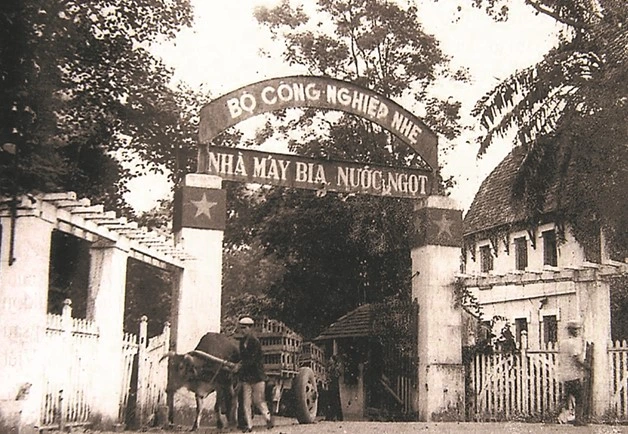
    Hommel Brewery site in 1958 under its new name, “Nhà máy Bia Hà Nội”

    On August 15, 1957, a restoration committee was formed to begin rehabilitating the brewery with assistance from Czechoslovakian experts. On May 1, 1958, the first test batch of beer was successfully brewed by Mr. Vũ Văn Bộc, a former worker at the Hommel Brewery.

    A few months later, on August 15, 1958, the brewery renamed Nhà máy Bia Hà Nội produced its first commercial bottle of beer under the Trúc Bạch brand, which is still available today.
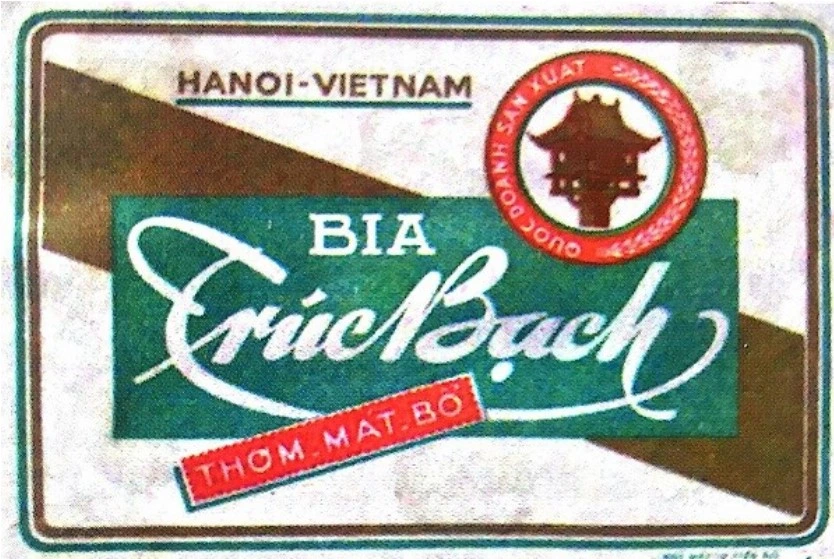
    An old Trúc Bạch beer label dating back to the 'Subsidy Period.
    An old Trúc Bạch beer label dating back to the “Subsidy Period”.

    This achievement is celebrated in the propaganda, with August 15 designated as ‘Nhà máy Bia Hà Nội’—the Day of the Brewery of Hanoi.

    I found traces of another beer brand called Hữu Nghị (Friendship), which was reportedly produced occasionally in Hanoi in later years for visits by important international guests, though details about it remain scarce.
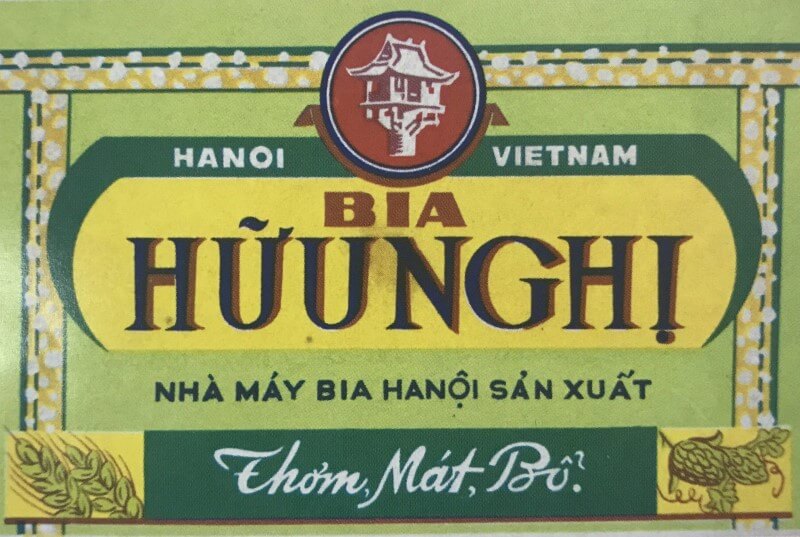
    Bia Hữu Nghị 1960?
    Bia Hữu Nghị 1960?

    A second wave of modernization, this time supported by East Germany, significantly expanded the brewery’s capacity to 30 million liters per year by 1983. To mark this milestone, the brewery was renamed the Hanoi Beer Company.

    It wasn’t until 2003 that the company adopted its current name, HABECO, an abbreviation of Bia – Rượu – Nước Giải Khát Hà Nội (Hanoi Beer, Alcohol, and Beverage Company).

    In the South: 333 and Sabeco

    After the fall of Saigon in 1975, as mentioned in the previous article of this series, the Vietnamese authorities officially indemnified the BGI group following the nationalization of its assets in the South.

    In 1977, the newly formed Saigon Beer Factory began official operations at BGI’s historic address on Nguyen Chi Thanh Street.
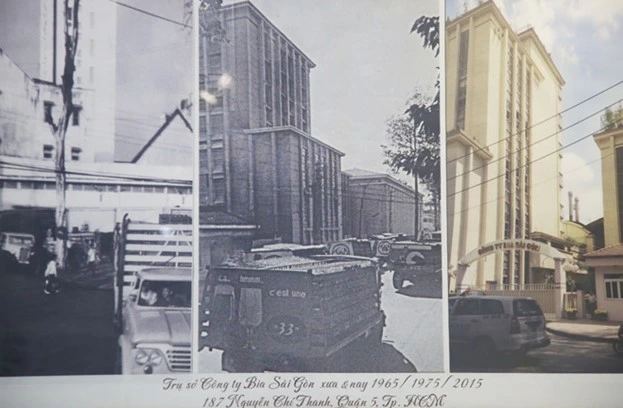
    Saigon Beer Factory in 1965,1975 and 2015 - Source SABECO
    Saigon Beer Factory in 1965, 1975 and 2015 – Source SABECO

    A challenge remained: the most popular beer in the South at the time was 33 Export, a brand that continued to be sold by BGI in various countries worldwide.

    For trademark reasons, the Saigon Beer Factory could not use the same name. To address this, the state-owned company introduced 333 Export Beer, which later became Vietnam’s first beer to be produced in cans in 1985.
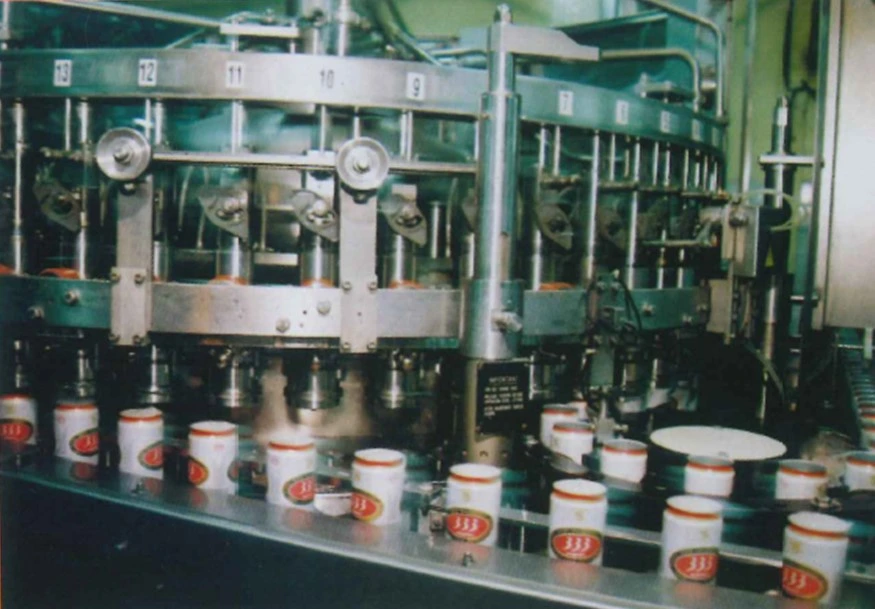
    Cans of 333 Beer at the Saigon Beer Factory in 2002 – Photo by Sabeco
    Cans of 333 Beer at the Saigon Beer Factory in 2002 – Photo by Sabeco

    In 1993, the Saigon Beer Factory was officially renamed the Saigon Beer Company, and in 2003, it adopted its current name, SABECO.

     2. Shortage, Bia Hơi, and Tiger Cage

    The succession of names and dates in historical accounts is interesting, but it often fails to capture the reality of drinking beer during the “subsidy years” in Vietnam.

    To do so, we need to set aside beer bottle labels and brands and remember that most of the beer produced by nationalized factories during this time was served as draft beer. The true “king” of that period was the iconic bia hơi—a fresh beer served and consumed almost immediately after production.

    I will attempt to bring to life how Vietnamese people enjoyed bia hơi during the 1980’s by focusing on three terms closely tied to that era.

    Bia Chuồng Cọp (Tiger Cage Beer)
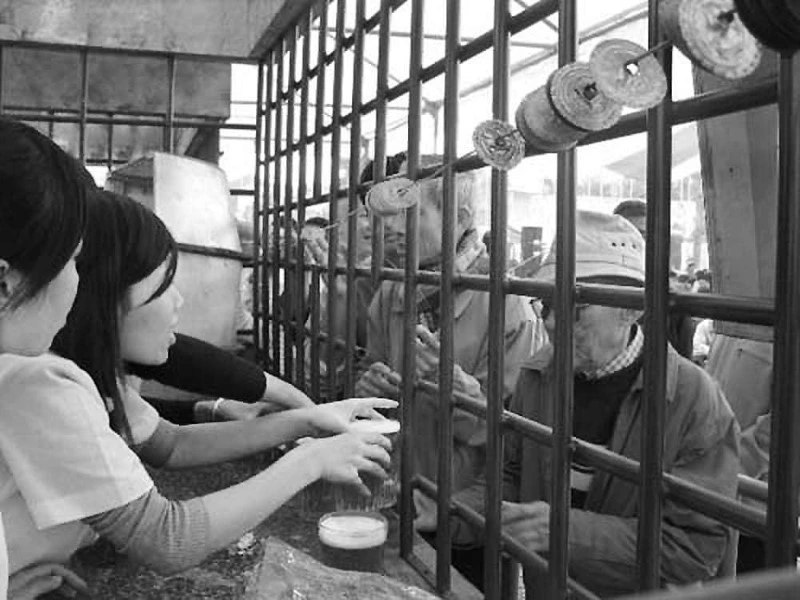
    Bia chuồng cọp (Tiger Cage beer)
    Bia chuồng cọp (Tiger Cage beer)

    It’s important to first understand that the years following Vietnam’s reunification were marked by shortages and rationing, and beer was no exception.

    Drinking beer often meant waiting in line for hours just to be allowed to buy a maximum of two cups at government-managed “beer stations,” known as Bãi bia. If you were unlucky, you might wait in line only to hear the vendor say, “đã hết”—meaning “sold out.”

    In this context, it’s no surprise that line-cutting became a serious issue, sometimes leading to fights.
    To address this problem, fences and barriers were installed at beer stations, which earned them the nickname Bia Chuồng Cọp, or “tiger cage beer.”

    Đồ Nhắm and Lạc Rang

    This period also marked the time when “Đồ Nhắm”—snacks—became almost systematically associated with beer, a tradition that has since become an integral part of Vietnam’s beer culture.

    If we had to highlight just one of these snacks, it would undoubtedly be lạc rang—roasted peanuts.

    Unlike other snacks, such as papaya salad or rice crackers, which were traditionally sold by street vendors—often children—these peanuts were sold in “bundles” directly by the beer stations themselves. This allowed employees to make a small but necessary off-the-books profit.

    Cốc Vại

    Although beer was mainly served on draft, proper glassware was not widely available. Most people drank from cups originally intended for water or tea.

    To address this issue, in 1976, the Vietnamese Central Cooperative Union of Handicrafts and Small Industries commissioned a young industrial designer named Lê Huy Văn, who had studied in East Germany, to create a dedicated beer glass.
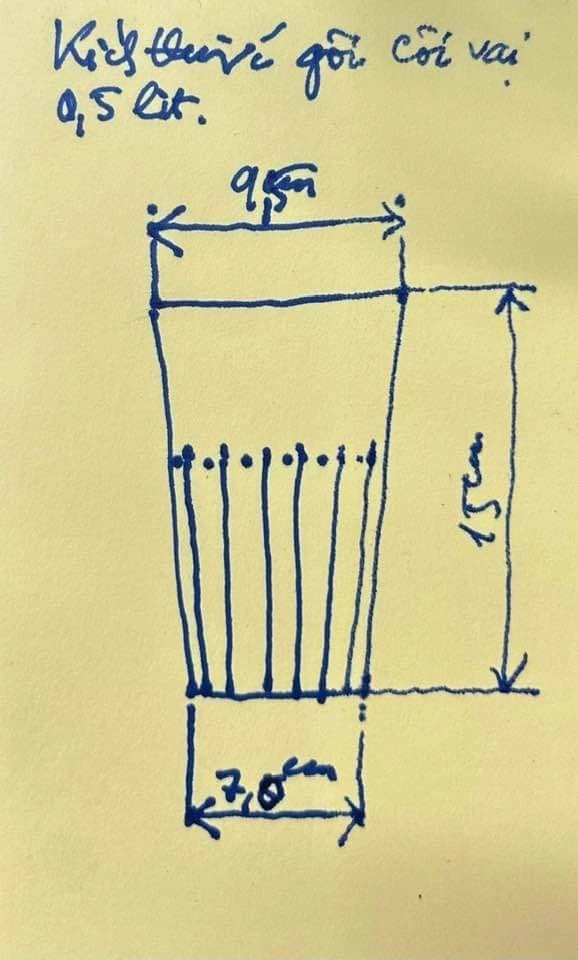
    A sketch of the Cốc Vại design
    A sketch of the Cốc Vại design?

    In just about an hour, he designed what would become an iconic beer glass in Hanoi. The glass featured a thick base and a wide mouth, ensuring stability on shaky tables, easy stacking.  More importantly, it was recyclable.

    The glass could hold 0.5 liters—a practical size that reduced the need for constant refills, which often meant waiting in line again.
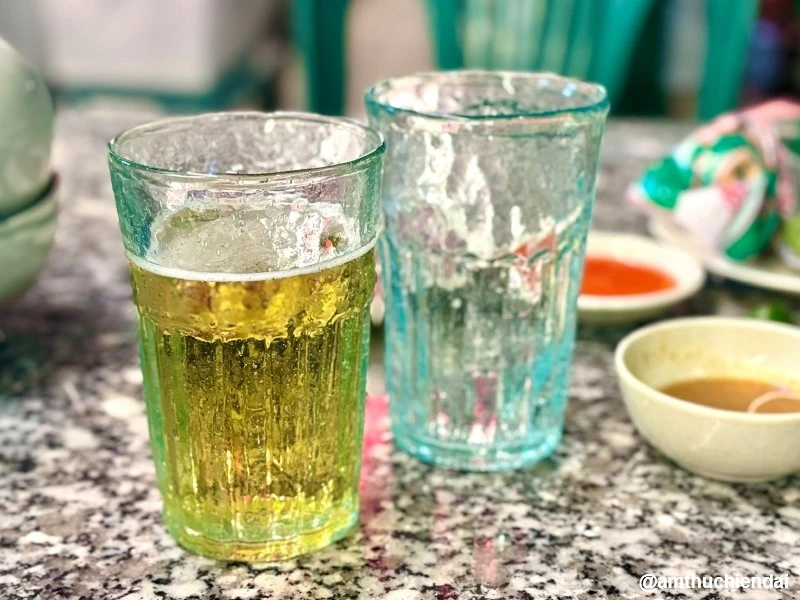
    The 'Cốc Vại' glass is still widely used today.
    The ‘Cốc Vại’ glass is still widely used today

    That said, the big picture from this period is one of restriction for the vast majority of the Vietnamese population and overall stagnation for the beer industry itself. Everything changed with the introduction of the Đổi Mới policy in 1986.

    To be continued…


    A History of Beer in Vietnam 🍺

    • Part 1: The Early Days
    • Part 2: Colonial Capitalism
    • Part 3: The War for Independence and the Nationalizations
    • Part 4: Brewing in a Socialist Economy
    • Part 5: Đổi Mới—The Golden Opportunity for Multinational Firms

    Read more about beer on Ẩm Thực Hiện Đại 

    • Local ingredients, Bold Flavors: A conversation with Labtory on Brewing in Vietnam
    • Top 9 Venues for Craft Beer in Hanoi – Recommendation by a local
    • The Complete Guide to Traditional Bavarian Beers – Germany’s Best Brews

    featuredEN History of Beer in Vietnam
    Share. Facebook Twitter Pinterest LinkedIn Tumblr Email
    Previous ArticleHouse of Merlin: Cocktail & Rum trong thế giới Steampunk độc đáo
    Next Article Best Rooftop Bars in Hanoi: A Personal Selection by a Local
    Avatar photo
    Loïc Muller

    Là một người Pháp sinh sống tại Việt Nam 15 năm, Loïc có một niềm đam mê bất tận với bia thủ công, pizza và bánh đa cua. Anh mang tới cho Ẩm Thực Hiện Đại không chỉ kinh nghiệm nhiều năm trong việc xây dựng content website, mà còn cả góc nhìn của người nước ngoài về một đất nước Việt Nam không ngừng đổi mới và phát triển.

    Related Posts

    Fairmont Pool Terrace & Bar: Premium Rooftop Experience in Hanoi

    September 15, 2026

    Hanoi Food Guide: My 10 Dos and Don’ts After 15+ Years in Vietnam

    September 4, 2026

    French restaurants in Hanoi : A complete guide by a French

    August 13, 2026
    Leave A Reply Cancel Reply

    About Us
    About Us

    Chúng tôi là Loic và Quỳnh Hương - cặp đôi đam mê ẩm thực và xê dịch. Mục tiêu của chúng tôi là khám phá thế giới và chia sẻ kiến thức!

    About Us
    About Us

    We are Loic and Quynh Huong - a French-Vietnamese couple passionate about food and its culture. We share a passion for the creativity, diversity, and traditions surrounding cuisine in Vietnam and around the world.


    Description of Image

    Tiếng ViệtẨm Thực Hiện ĐạiĐọc bằng Tiếng Việt →
    Where to stay in Hanoi - best hotels🏨 Hotel GuideWhere to stay in Hanoi?My independent guide, tested by my guests →

    Giới thiệu chung
    Giới thiệu chung

    Ra đời vào năm 2022, Ẩm Thực Hiện Đại là một tạp chí điện tử dành cho những người Việt đam mê ẩm thực đương đại, coi đó không chỉ đơn giản là ăn uống mà còn là sở thích, văn hóa, nghệ thuật.

    Mỗi cộng đồng, mỗi nền văn hóa đều có những bản sắc riêng, nơi di sản ẩm thực là một phần không thể thiếu.

    Mục tiêu của Ẩm Thực Hiện Đại là giới thiệu đến bạn đọc bức tranh ẩm thực sôi động đang ngày càng phát triển mạnh mẽ tại Việt Nam, cũng như chia sẻ kiến thức liên quan đến các nền văn hóa ẩm thực đa dạng trên thế giới.

    Who are we?
    Who are we?

    Launched in 2022, Ẩm Thực Hiện Đại is an online magazine celebrating Vietnam's thriving contemporary food culture.

    Our coverage showcases the vibrant dining scenes in Vietnam's cities, from Hanoi to Ho Chi Minh City. We feature restaurant reviews, chef interviews, and the latest food trends emerging across the country.

    At Ẩm Thực Hiện Đại, we believe understanding enhances enjoyment. That's why we also provide in-depth coverage of food & gastronomy history, culinary techniques and more.

    Content


    ABOUT US
    📝Contact us

    CITIES
    ⛩️ Hà Nội
    🌊 Đà Nẵng
    🏙️ Ho Chi Minh City

    Maps
    Hà Nội
    Da Nang

    NỘI DUNG

    Việt Nam
    ⛩️ Hà Nội & miền Bắc
    🌊 Đà Nẵng
    🏙️ TP. Hồ Chí Minh

    Châu Á
    🇹🇭 Thái Lan
    🇲🇾 Malaysia

    Châu Âu
    🇫🇷 Pháp
    🇮🇹 Ý

    Kiến Thức
    🍷 Rượu vang
    🍸 Cocktail

    Follow Us
    • Facebook
    • Instagram
    • YouTube
    • Threads
    Về chúng tôi


    👫Về Ẩm Thực Hiện Đại
    📝 Liên hệ

    Facebook Instagram YouTube Threads
    Copyright @ Ẩm Thực Hiện Đại - 2024
    • THẾ GIỚI
    • VIỆT NAM
    • CÔNG THỨC CHẾ BIẾN
    • KIẾN THỨC
    • BLOG – GÓC NHÌN

    Type above and press Enter to search. Press Esc to cancel.