


Beer is now an integral part of Vietnamese daily life and deeply rooted in its culture.
Retracing its history offers a direct glimpse into Vietnam’s turbulent past. The French colonizers, who arrived at the end of the 19th century, played a pivotal role in introducing and shaping the beer industry in the country.
In the first part of this series, we explored how the French introduced “modern beers” to both the South and the North of the country.
Their influence extended well beyond just introducing beer to Vietnam. The French colonial project had a strong capitalist focus, viewing Indochina from the outset as both a new market and a production hub for French industries.
In this context, the development of Vietnam’s beer industry from the 1920s to the final days of French colonial rule casts a particularly interesting light on these economic mechanics.
Not only did the French establish a local market for their beers, but they also used Vietnam as a base to build a brewing empire.
This pivotal development in Vietnam’s beer industry during that time is closely tied to a single enterprise: BGI (Brasserie Glacière d’Indochine), which will be the focus of this article.
💡 An History Beer in Vietnam – The project
This is the second article in a series exploring the history of beer in Vietnam. The full list of articles can be found below:
- Part 1: The Early Days
- Part 2: Colonial Capitalism
- Part 3: The War for Independence and the Nationalizations
- Part 4 : Brewing in a Socialist Economy
- Part 5: Đổi Mới—The Golden Opportunity for Multinational Firms
If you think any key information is missing, feel free to share additional sources on this topic. I’m far from finished writing about beer in Vietnam!
The first article in this series concluded with the Larue brothers successfully introducing beer to South Vietnam. Victor Larue passed away in 1924 in Saint-Tropez, France, but the company he founded with his brother remained strong, playing a vital role in producing beer, beverages, and ice—essentials of colonial life.
This success eventually drew the attention of a much larger group that would come to dominate the beer industry in Vietnam and across Indochina.
1. Les Frères Denis
Calling the Denis family’s enterprise a “group” doesn’t quite do it justice. What they built in Indochina was a true conglomerate, one that shaped a significant part of the region’s economy during French colonization—and that influence persists even today.
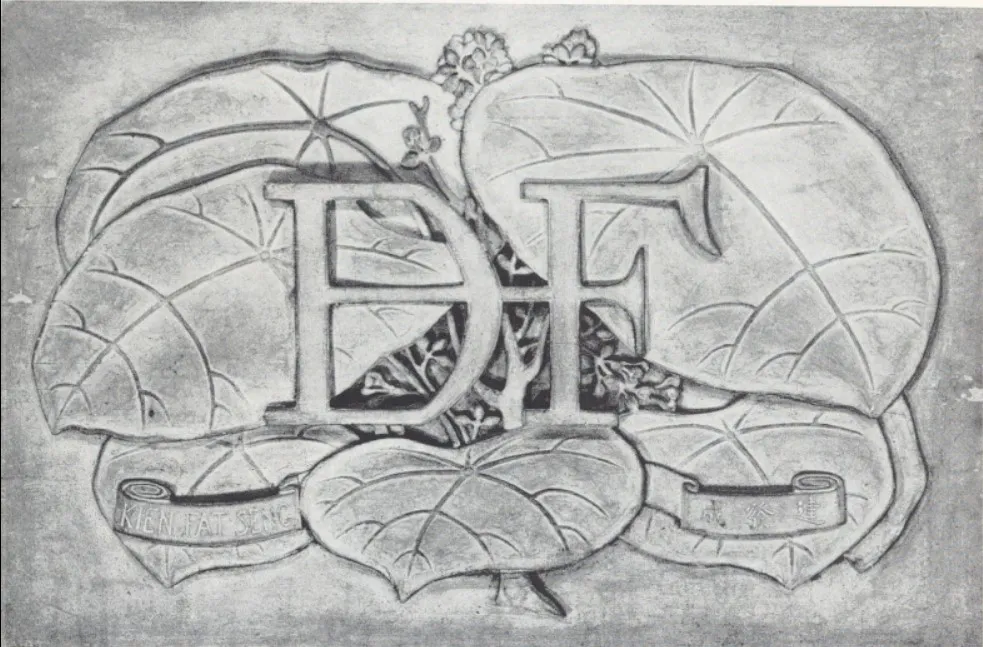
The Denis family’s story in Vietnam began in the early days of French Indochina. Archives indicate that the Denis brothers first settled in Vietnam in 1862, arriving on a ship specially constructed by their father.
This connection to the sea was central to the family’s identity. Their father, Étienne Denis, was a former sea captain who became a shipowner and maritime trader. He trained his sons in his trade, passing on not just skills but a legacy of ambition and adaptability.
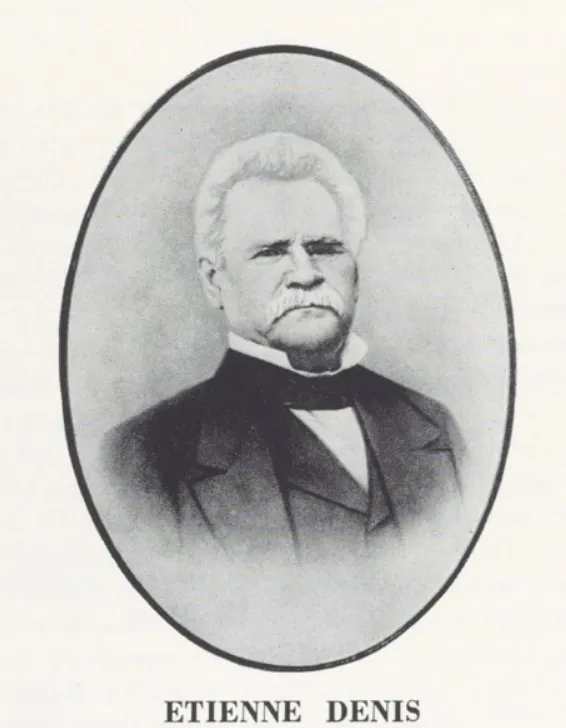
All of the brothers became trained captains and quickly established themselves as key players in the critical import/export business in the region. Starting with rice exports and imports of wine, spirits, and other supplies vital to colonial life, they steadily expanded their operations.
When I say this conglomerate played a pivotal role in the region, I’m not exaggerating. For instance, in 1864, when France faced challenges in Mexico and considered abandoning Saigon (as North Vietnam had not yet been conquered), records show the Denis family actively lobbying the French parliament against a withdrawal.
2. Buying the North and South: The Birth of BGI
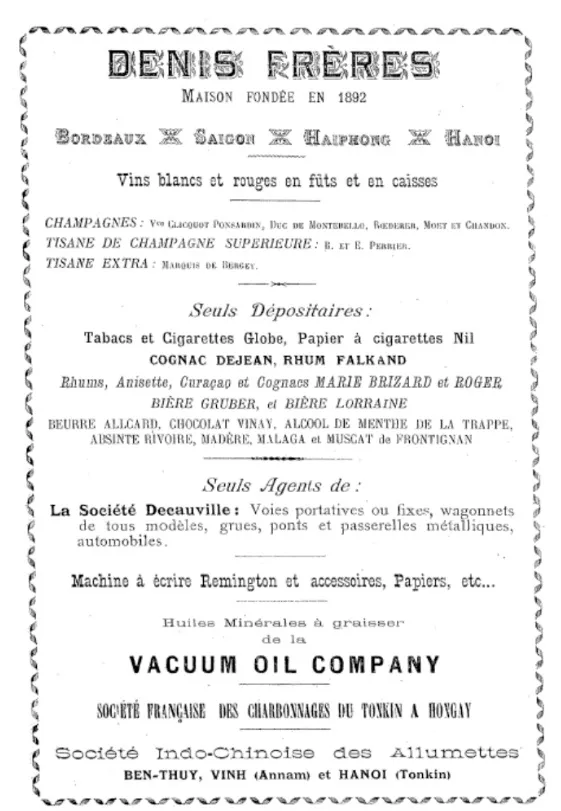
In the 1920s, the Denis brothers already held a significant stake in the wine and spirits industry in Indochina, primarily as importers and distributors of French products.
Interestingly, this included beer, as they held the exclusive rights to distribute Gruber beer, a well-known French brand at the time.
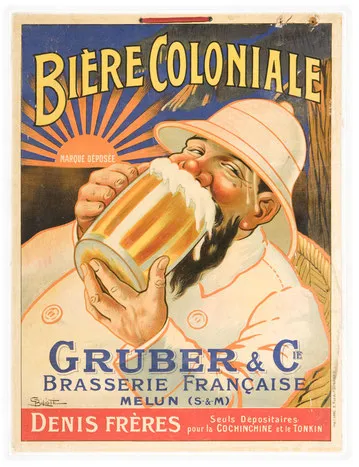
However, the financial costs and potential quality loss from transporting beer all the way from France made local production an attractive prospect. It’s no surprise, then, that the Denis brothers looked with envy at the successes of the Hommel and Larue families, who had established local brewing operations.
In 1927, leveraging their financial resources, the Denis brothers founded a new company: Brasserie et Glacière d’Indochine—an enterprise whose acronym, BGI, remains familiar to many in Vietnam today.
This new company absorbed the operations of both Hommel and Larue, leading to Hommel beers being brewed in Saigon alongside Larue beers. Over time, BGI introduced new brands such as “Royale”, further solidifying its presence.
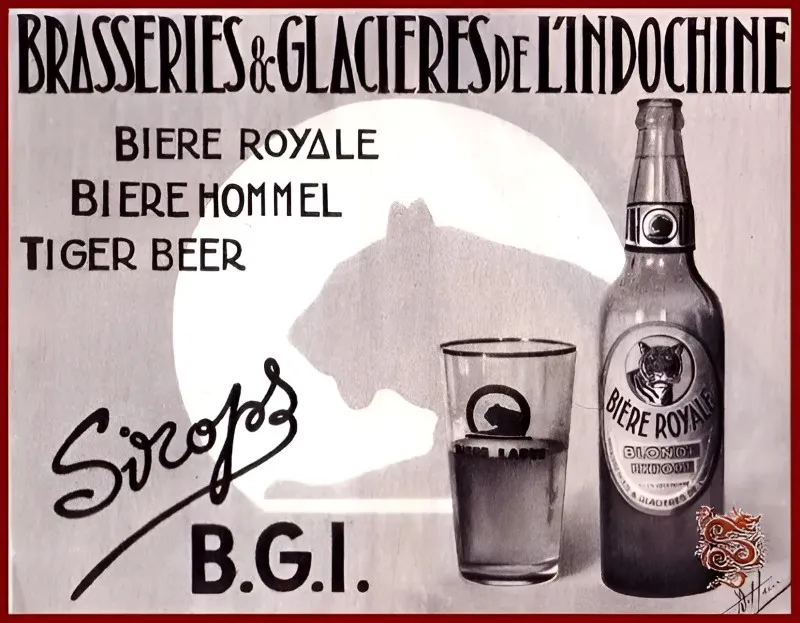
The group continued to expand its influence across both Vietnam and its stronghold in Cambodia. It raised capital and issued shares as needed to upgrade its facilities and acquire competitors, such as the previously mentioned Brasserie de Bohême, which it took over in 1938.
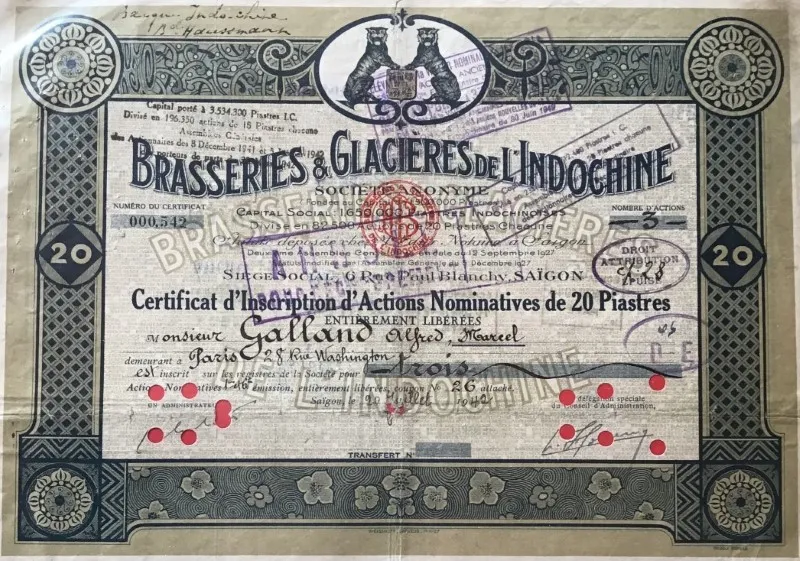
Archives provide clear evidence of BGI’s financial strength, noting its close relationship with La Banque de l’Indochine, which supported the company’s ambitious operations.
BGI’s ambitions extended beyond simply absorbing competitors:
- The group also practiced vertical integration by acquiring hotels and restaurants in strategic locations, enabling direct control over the distribution of its products.
- BGI took an undisclosed stake in Malayan Breweries in Singapore (now Heineken Asia Pacific), the producer of Tiger Beer.
These expansions made sound business sense, but the leadership of BGI had even grander ambitions in mind.
3. Conquest of the Rest of the French Colonial Empire
The group succeeded in maintaining its activities during World War II, when the French authorities cohabited with the Japanese occupiers until 1945.
Archives even mention an expansion, driven by the local market and the introduction of a new brewing process that involved using gạo nếp (the rice variety used to make xôi) as a substitute for malt.
Post-World War II, the leadership of BGI launched a new phase of expansion aimed at the other possessions of the French colonial empire.
René Gaston-Dreyfus
When discussing this expansion phase, it is important to highlight a name that rarely appears in articles about BGI’s history, despite playing a crucial role in the organization’s development: René Gaston-Dreyfus.
The creation of BGI was a “highly capitalistic” operation requiring complex financial engineering. Much of the expertise—and leadership—in this endeavor can be credited to René Gaston-Dreyfus, a French Parisian investment banker who was involved for decades in various beer-related ventures.
As a board member and administrator of BGI, he was also instrumental in founding “Les Brasseries du Maroc” in 1919.
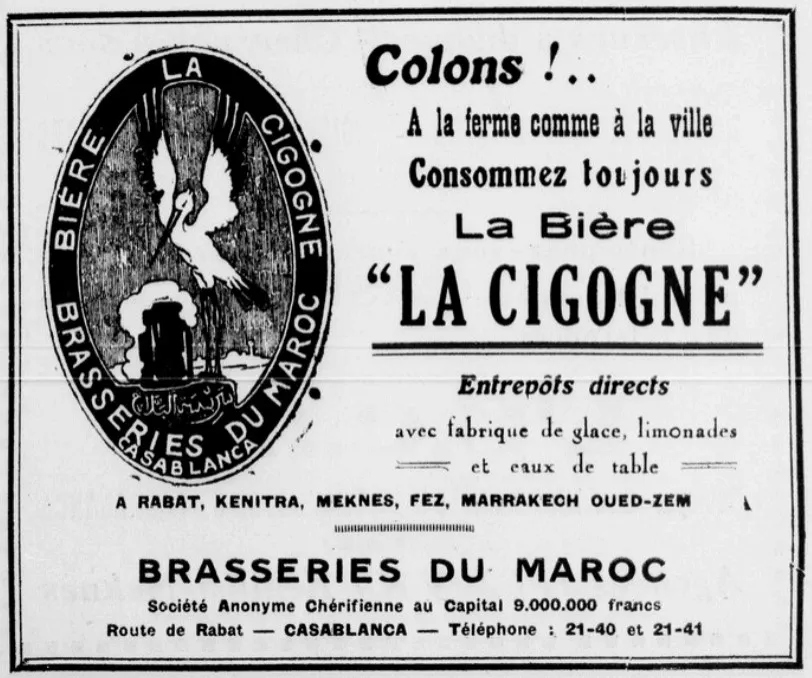
His close ties with the Heineken group likely explain BGI’s participation in Malayan Breweries, previously mentioned.
In 1930, René Gaston-Dreyfus founded SOFIBRA (Société Financière de Brasserie) in Zurich, Switzerland. This company was exclusively dedicated to financing his beer industry operations outside the French sphere of influence. Through SOFIBRA, Gaston-Dreyfus managed interests in breweries in Egypt, Turkey, and Palestine, operating independently of BGI.
In 1932, he initiated the creation of the Société Auxiliaire pour la Brasserie en Indochine, in partnership with BGI. One of its primary objectives was to secure BGI’s supply chains in Europe, ensuring the stability and continuity of operations.
After World War II, Gaston-Dreyfus played an even greater role in driving BGI’s expansion, this time beyond Southeast Asia.
4. From Brasserie et Glacière d’Indochine to Brasserie et Glacière Internationale
In 1948, central Africa saw the establishment of “Brasseries du Cameroun”, which became an integral part of the BGI group. Gaston-Dreyfus’s role in this operation was significant, as he was named president of the company.
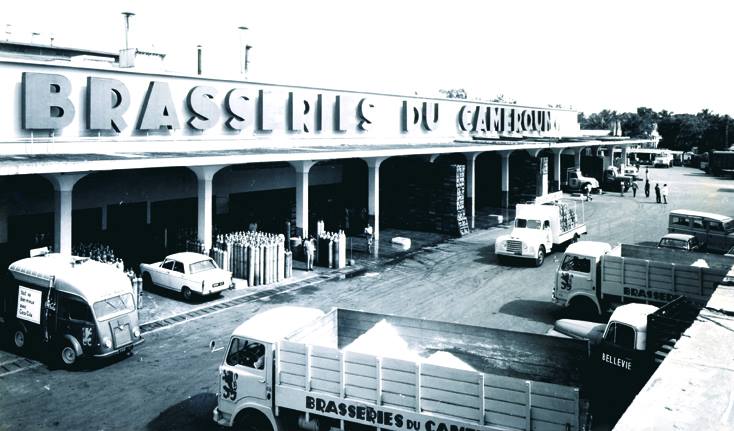
The following decades saw numerous acquisitions and brewery creations around the world under the BGI umbrella, leveraging French influence wherever possible—particularly in Africa.
This internationalization of the BGI group was reflected in both its name and location:
- In 1955, BGI’s headquarters moved from Saigon to Paris, leaving its historic address at 6 rue Paul Blanchy (now Hai Bà Trưng Street in Ho Chi Minh City).
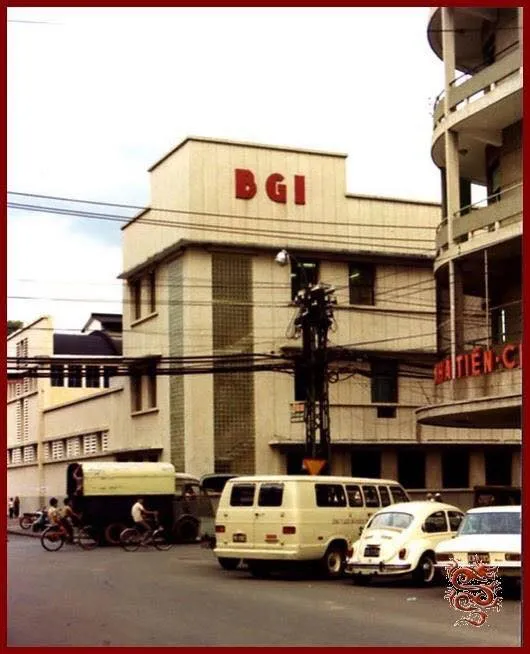
- In 1975, BGI removed all mention of Indochina by renaming itself Brasserie et Glacière Internationale.
The Extent of the Brewing Empire
A 1978 document listing the holdings of Brasserie et Glacière Internationale reveals the extent of the brewing empire built.
The group owned or had interests in over 60 different companies worldwide. Many of these were located in Africa and focused on beer and other beverages, but their activities were not strictly limited to brewing.
The group also established a strong presence in Europe, particularly in France, and expanded its supply chain through interests in or ownership of several glass manufacturers.
Interestingly, the Denis group, previously mentioned, still held approximately 20% ownership in BGI at this time.
33 Export
If there is one beer that symbolizes the internationalization of the group, it’s 33 Export.
Initially brewed exclusively for the Vietnamese market by BGI, this brand found far greater success than Larue and became a cornerstone of the group. Its slogan, “One beer on five continents,” speaks volumes.
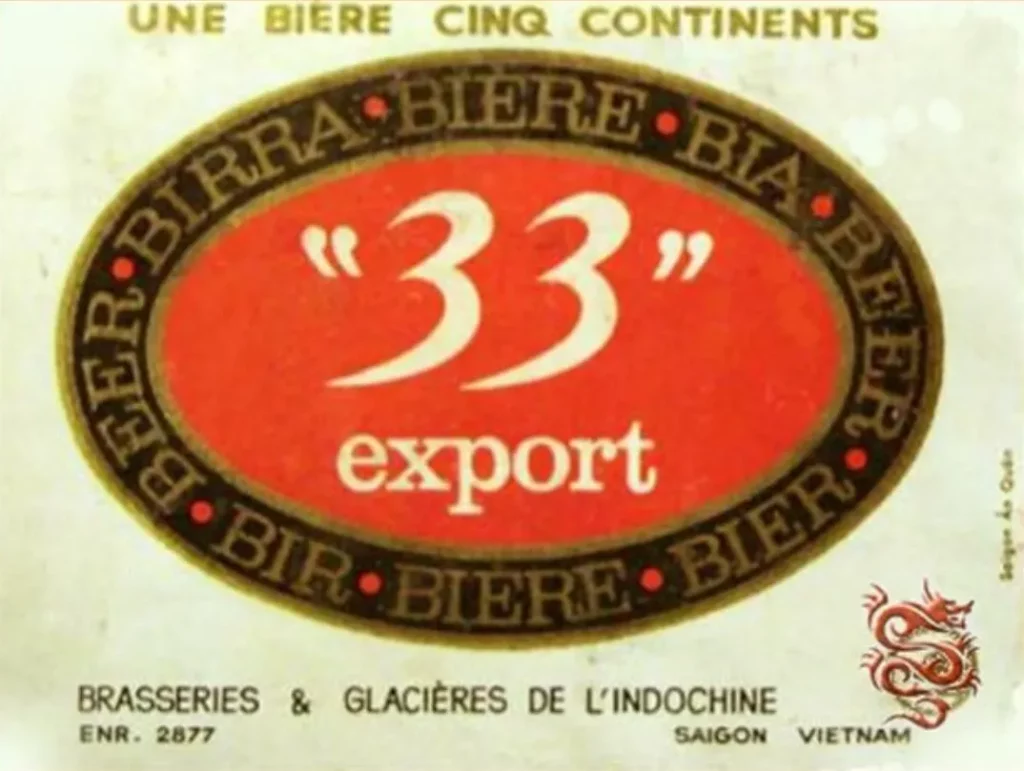
Sources I found indicate that at its peak in the 1980s, the brand was present in over 80 countries worldwide but with one notable name missing to the list : Vietnam.
This absence is not surprising; Vietnam was fighting for its independence for decades, and its victories over the French and the Americans would transform the country and, by extension, the way beer was produced and consumed.
To be continued…
A History of Beer in Vietnam 🍺
